Software organizes
CRMs, case-management systems, forms, and AI tools can capture, structure, and surface work.
Comparison
Telamanis combines trained remote legal staff with included tools for the agreed workflow. Your firm gains an assigned person who follows the process, checks the work, updates status and escalates exceptions alongside the technology.
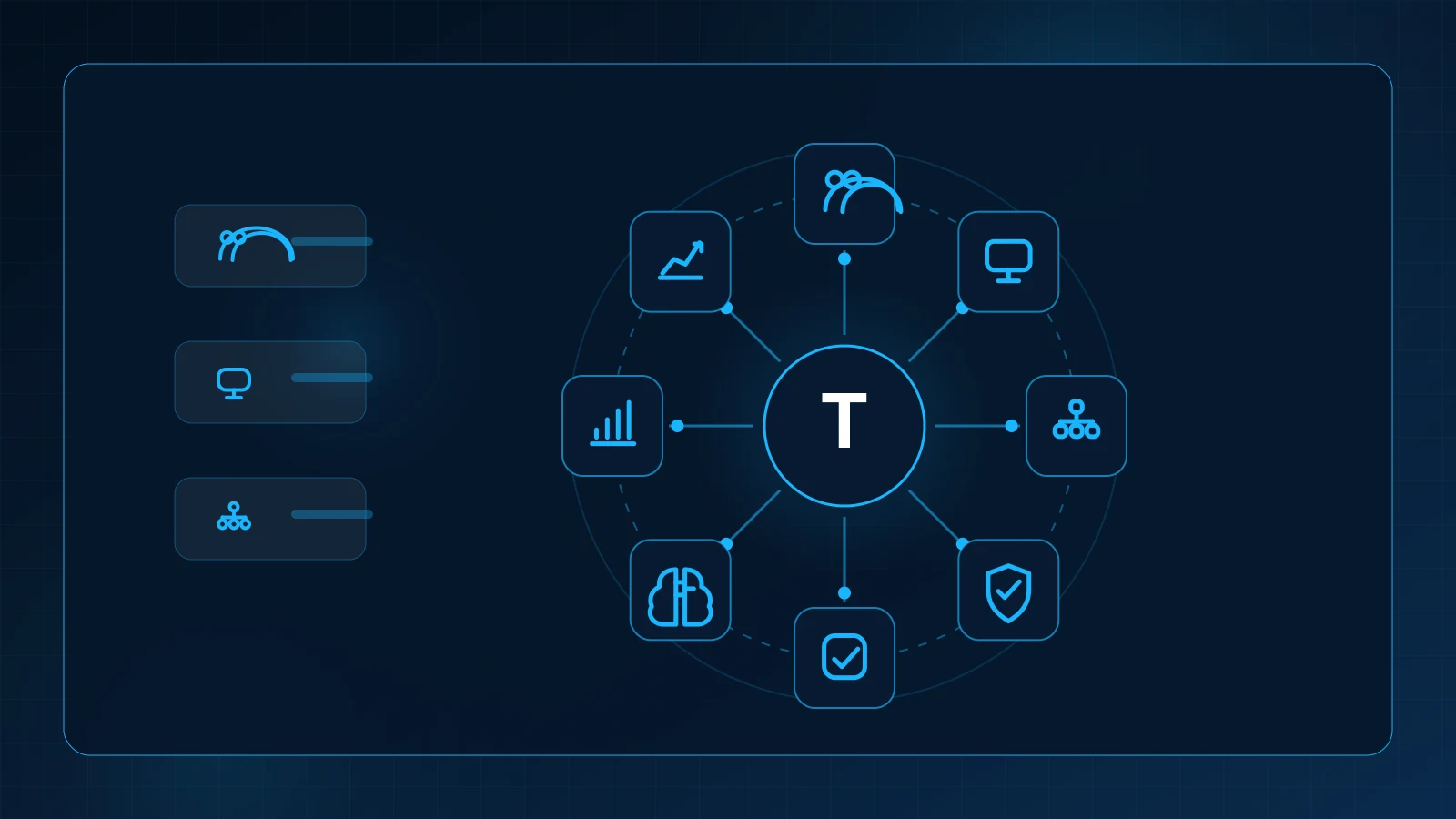
CRMs, case-management systems, forms, and AI tools can capture, structure, and surface work.
Assigned staff complete approved tasks, update the system of record, and escalate exceptions.
QA and firm approvals remain part of the workflow when AI-assisted extraction, summaries, or flags are used.
People, process and controls
Preparation and access controls are part of the staffing model, not an assumption that installing software creates them.
PI preparation, a 40+ course LMS and daily coaching connect tools to the assigned work. How training works.
HIPAA training, applicable BAAs and approved cloud/VPN access govern confidential work; no local client-data storage. See Security.
For a demand, identify the record set, source checks, missing information, reviewer and attorney approval before sending. Measure generated drafts separately from reviewed and sent work.
Software may capture and organize a record, but the operating result depends on who owns the next action and how exceptions are escalated.
The Gap
The exact responsibilities depend on your tools, permissions, approved workflow, and written scope.
| Workflow surface | Software can organize | Managed staff can execute or review |
|---|---|---|
| CRM / case management | Records, fields, queues, reminders, and status views | Update assigned records, work approved tasks, review status, and escalate exceptions |
| Intake forms | Capture submissions and route structured inputs | Review completeness, perform approved follow-up, and route the matter |
| E-signature | Prepare, send, and track configured envelopes | Monitor status and escalate missing information or firm approvals |
| Records tracking | Store provider, request, date, and status information | Perform approved follow-up, log activity, and escalate aged requests |
| AI-assisted tools | Surface extraction, summaries, classifications, or flags | Review output, apply human judgment, and route required approvals |
Common Questions
The tool and the work are two different things.
A CRM stores and organizes what users and integrations put into it. Approved follow-up, records work, status review, and escalation still need assigned owners. Telamanis can place managed staff inside the workflow defined for your existing system.
Usually the goal is to use the firm's approved stack, not force a migration. The Guided Systems Review identifies tool fit, permissions, integration limits, and any changes that should be evaluated before deployment.
Assigned staff execute the approved tasks, update the system of record, follow the defined review points, and escalate exceptions. The exact cadence and service levels are firm-specific and confirmed in the written scope.
Staff plus tools
AI helps prepare and organize work; accountable people check it and your attorneys retain judgment. These tools are included for the agreed workflow, alongside the firm’s approved stack.
Staff intelligence, continuing education and medical reference. Explore TelaGBT.
OCR, reviewed case facts and demand preparation from the approved record set. Explore Gatekeeper.
Lien support, settlement memoranda and California Howell calculations, with attorney-controlled decisions. Explore Howler.
Managed care coordination and treatment follow-through. Explore TelaCare.
Next Step
The Guided Systems Review maps your stack, roles, permissions, workflow, QA, reporting and escalation. Review the $3,500 monthly member rate and scope. Manual handoffs and actual software integrations are identified separately.
Request Your Systems Review