Status alone
Status change only
Staff can move a card to “Done” without attaching the document or showing that its contents were reviewed.
TelaCase is the case-status and task-control component inside the Telamanis managed system, tying workflow progress to documents, structured data, and human review.
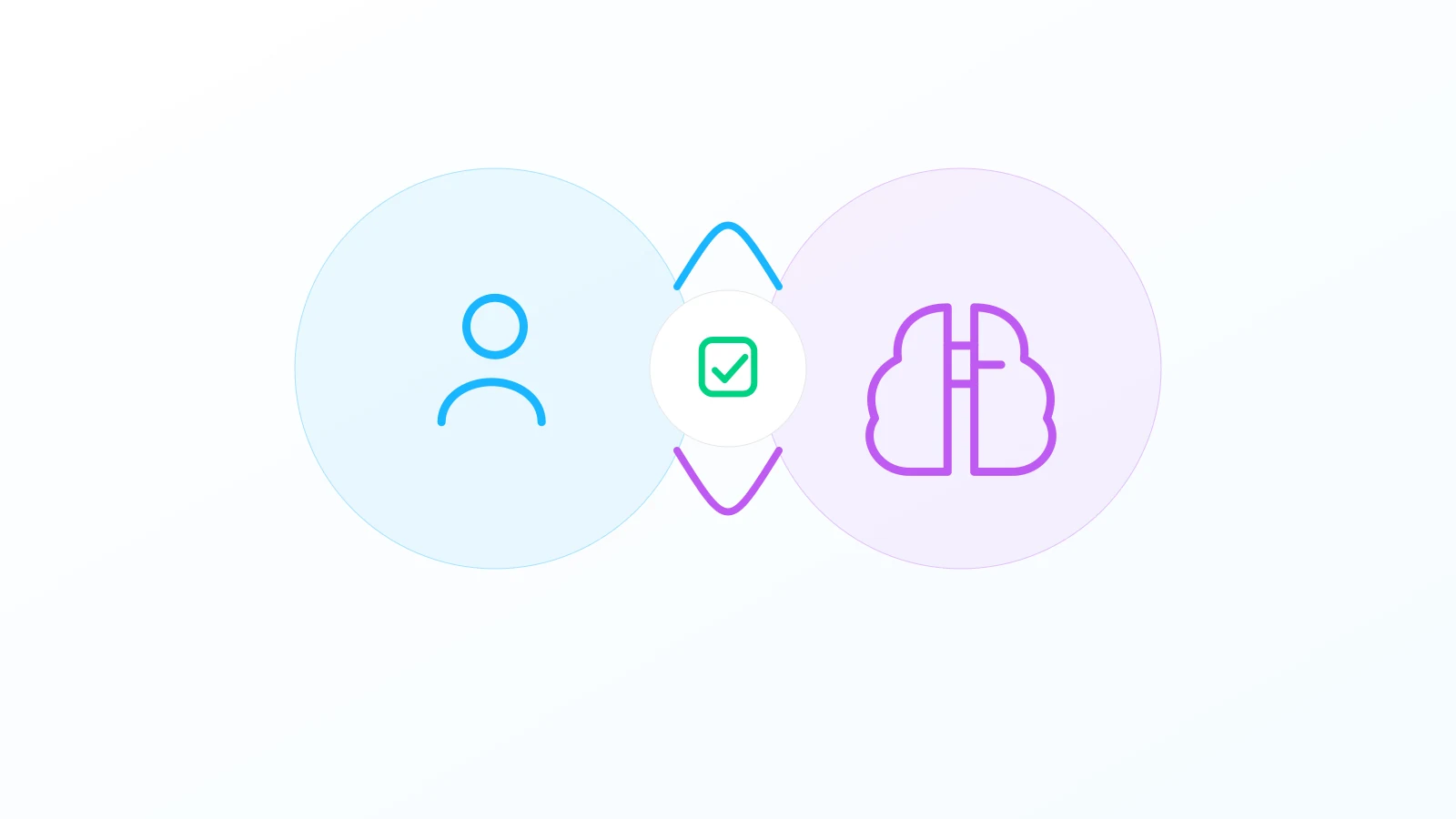
Verified progress
TelaCase organizes staff ownership, source-linked facts, evidence gaps, and defined review across the PI matter.
Case management needs more than a status board. A paralegal moves a card from Records Requested to Records Received, and the case appears to advance. A useful case workflow also shows whether records arrived, whether evidence is complete, and which facts still need review.
TelaCase connects case operations with Gatekeeper’s evidence workflow. Document collection and staff task work connect to source-linked facts and evidence gaps. Staff review those facts and resolve missing or conflicting information; review status does not by itself establish evidence or advance the case phase.
TelaCase organizes case plans, review queues, demand assembly, settlement work, and communication context around shared source-linked facts. Attorneys retain decisions about case value, legal strategy, phase advancement, and final work product.
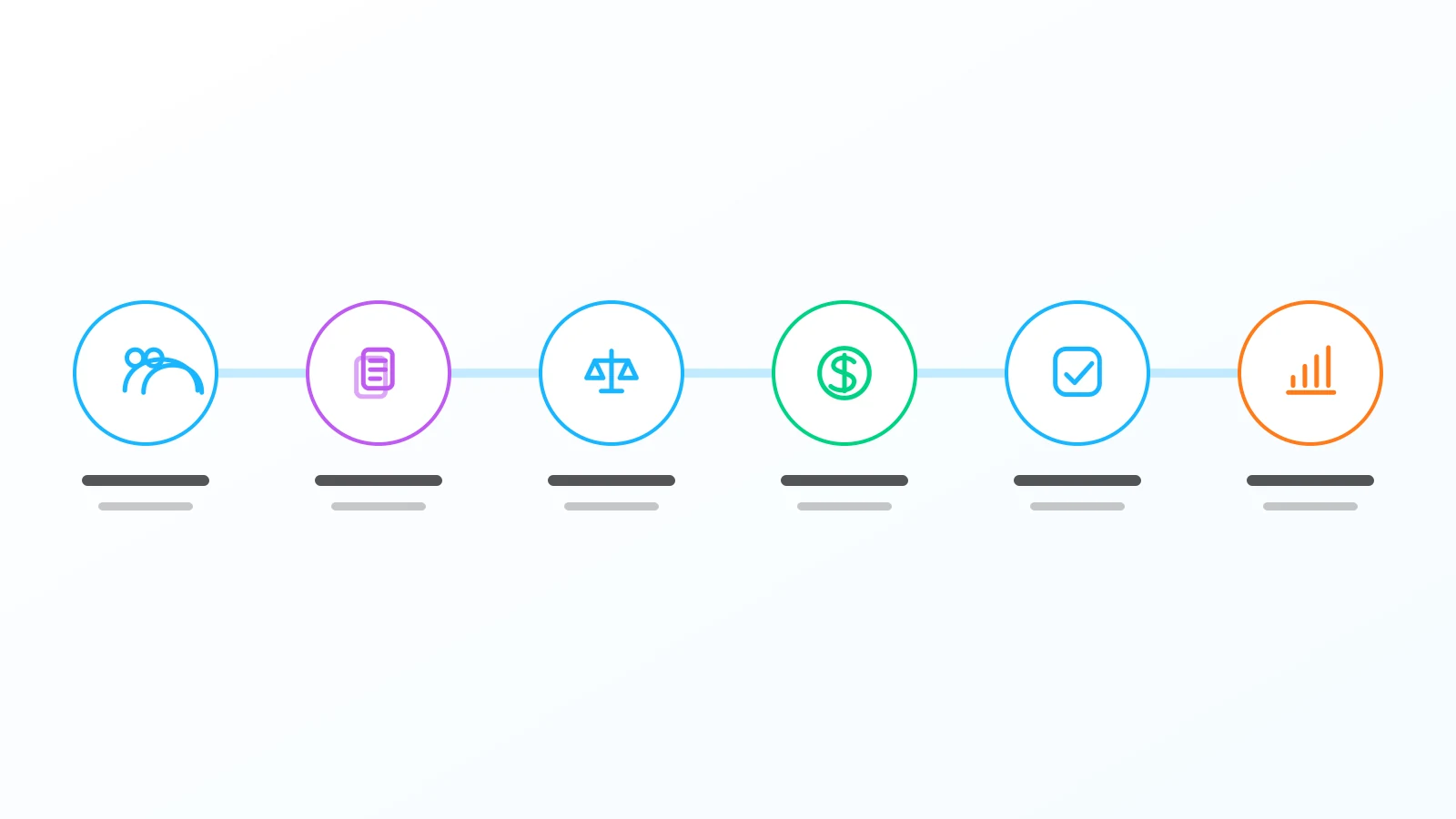
Case status and evidence work
Status alone
Staff can move a card to “Done” without attaching the document or showing that its contents were reviewed.
TelaCase with evidence context
Documents and extracted facts remain connected to staff review and evidence-gap work, so the next action has context.
Status stays connected to the evidence and review steps behind the work.
The document, record, bill, or case artifact arrives in the platform.
The configured extraction layer pulls structured data into canonical fields for review.
Configured analysis and domain rules identify possible status, risk, damages, and next actions.
Staff review the source-linked facts and resolve evidence gaps. Attorney decisions govern legal work and case advancement.
Core Functions
Each capability is designed to be used by trained staff, reviewed by humans, and connected to the broader Telamanis workflow.
Source documents and facts inform task ownership, review, and evidence-gap resolution.
Case plans, demand assembly, settlement workflows, and communications connect to source-linked facts and defined responsibilities.
Every domain field has one name from database to UI label so reports and audits agree.
Connected roles
TelaCase is the daily staff-and-attorney case workbench. Gatekeeper is the document-intake and evidence-control application that produces source-linked case facts and Attorney Demand Report drafts.
Gatekeeper routes source documents and preserves their provenance. Shared CaseFacts carries source-linked facts; staff use TelaCase to review facts, resolve gaps, and organize case work.
See Gatekeeper’s defined outputHowler supports reduction-request preparation, payee tracking, and Settlement Memorandum drafts. TelaCase’s settlement workspace remains a distinct case-operations surface.
See Howler’s closing workflowAttorney decisions, final legal work, external delivery, and funds handling follow the firm’s approved process. Review and case phase advancement are distinct from collecting a document or completing a routine task.
Next Step
A Guided Systems Review examines the workflow, handoffs, systems, and review points that shape case status.
Request Your Systems Review