
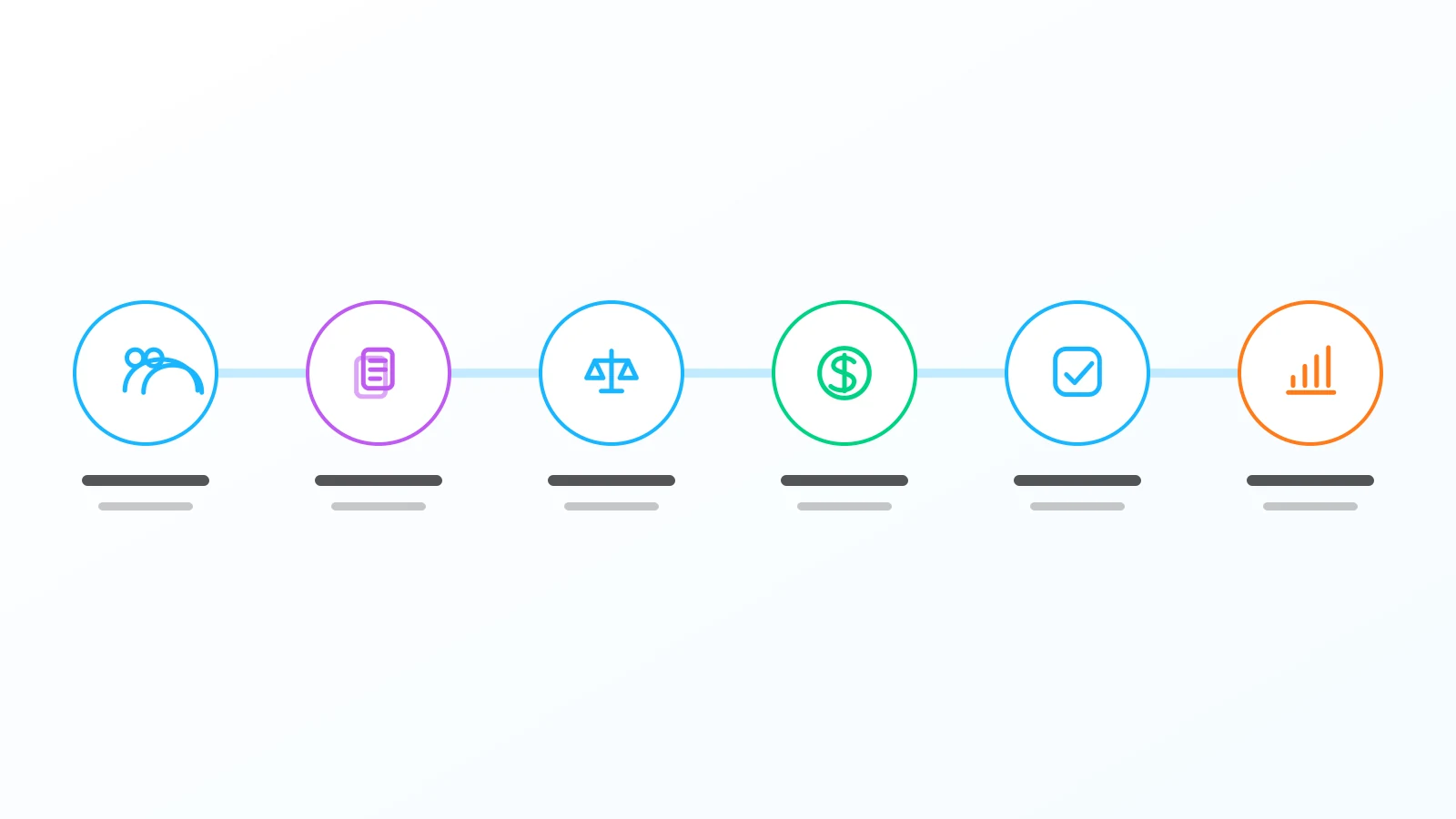
A personal injury case moves through intake, records and treatment tracking, demand preparation, negotiation or litigation, and settlement. Each stage contains repeatable preparation work alongside decisions that require trained staff or attorney judgment.
This article maps where AI can assist that preparation, what people must still review, and which controls should exist before the output enters the case file.
Intake: Structured Capture and Human Decisions
AI-assisted intake can help organize accident facts, injuries, insurance information, and follow-up status. The workflow should use firm-defined required fields, scripts, routing, and escalation.
People remain responsible for conflict review, applying qualification criteria, communicating with the prospective client, and making case-acceptance decisions. The system should support coverage and ownership without promising a universal response or conversion outcome.
Medical Records: Draft Extraction and Review
Medical records arrive from multiple providers and systems, often with mixed formats, duplicates, and gaps. AI can assist with OCR, structured extraction, ordering, and source-linked chronology drafts.
A trained reviewer must verify the matter, source, dates, providers, diagnoses, treatment events, gaps, and uncertain fields before the chronology is approved for later case work.
Prepares scanned charts, faxes, and mixed-format records for extraction, while low-quality pages are flagged for review.
Drafts diagnoses, treatment dates, providers, and codes with source references and exception status.
Orders draft events, identifies possible duplicates or gaps, and routes the chronology to a trained reviewer.
Actual preparation time and review effort depend on record volume, scan quality, complexity, output standard, and system integration. Test representative matters instead of relying on a universal processing-time or accuracy claim.
Demand Packages: Compiling Evidence Into a Case for Payment
A demand package combines the medical chronology, billing records, liability facts, damages support, draft components, and exhibits. AI can assist with extraction, source-linked drafting, and gap flags inside a firm-defined packet standard.
Trained staff verify the source material and calculations. Attorneys retain responsibility for damages analysis, legal strategy, persuasive framing, and final approval.
Litigation: Deadlines and Discovery Don't Forgive Manual Tracking
Litigation introduces discovery, additional documents, and deadline-sensitive work. AI can prepare document classifications, draft extracted fields, and exception queues, but legal relevance, privilege, discovery strategy, and filing decisions require qualified human review.
Deadline tools should support, not replace, the firm's calendaring controls. Every calculated date needs a governing rule, source event, reviewer, and escalation path.
Settlement: Where the Money Actually Lands
Settlement administration involves liens, correspondence, calculations, releases, and disbursement documents. AI can help maintain status, prepare draft fields, and surface open items.
Qualified people must review governing documents, approve calculations and negotiation positions, control client communication, and authorize final disbursement work. This operational overview is not legal advice.
What This Adds Up To
AI can assist with capture, classification, extraction, draft preparation, source linking, and exception queues. Its value depends on the workflow around it: permissions, source-of-truth systems, reviewer ownership, quality control, escalation, and auditability.
Case strategy, client relationships, negotiation judgment, legal analysis, and courtroom advocacy remain human work. The goal is supervised assistance that prepares routine work without obscuring who reviewed and approved it.
The tools behind the trained team
- TelaGBT: operational guidance, continuing education, provider intelligence and medical reference for staff.
- Gatekeeper: source-linked facts and an editable Attorney Demand Report to support demand preparation.
- Howler: lien reduction support, Howell calculations and settlement memoranda for review.
- TelaCare: coordinator-owned treatment follow-up and appointment tracking while medical providers direct care.
These tools support an agreed PI workflow. Start with the staff role, cost, training and security needed to make that work dependable.
See where AI and trained staff fit your caseload
A Guided Systems Review examines your current intake, records, demand, and lien workflows, then identifies where people, process, systems, and AI may fit.
Request Your Systems Review